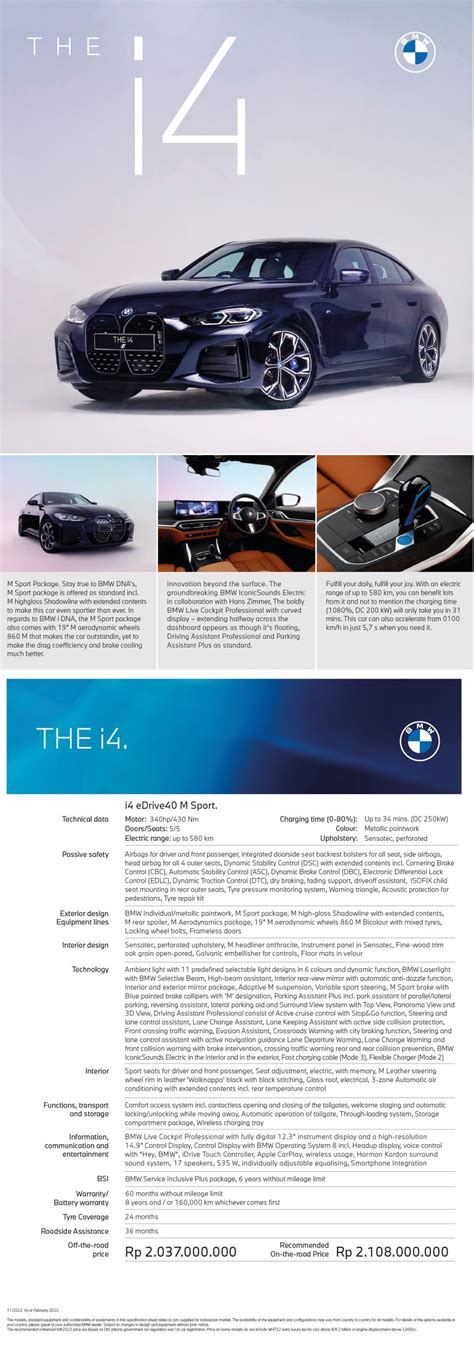
courselen() courselen() courselen() courselen() courselen() courselen() courselen() courselen() courselen() courselen() courselen() courselen() courselen() courselen() courselen() courselen() courselen() courselen() courselen() courselen() courselen() courselen() courselen() courselen() courselen() courselen() courselen() courselen() courselen() courselen() courselen() courselen() courselen() courselen() courselen() courselen() courselen() courselen() courselen() courselen() courselen() courselen() courselen() courselen() courselen() courselen() courselen() courselen() courselen() courselen() courselen() courselen() courselen() courselen() courselen() courselen() courselen() In the U.S. market, where electric vehicles are growing faster than ever, the BMW i4 has sparked heated discussion. On social feeds and automotive forums, users keep revisiting the same debate: “It shouldn’t cost what it does.” This sentiment isn’t random—it’s tied to broader economic pressures and transparency gaps. Families and professionals evaluating premium EVs now query whether high sticker prices reflect true innovation and performance or simply dealer markups and brand premium. As EV adoption increases, so does demand for honest cost-to-value comparisons. The i4’s entry into this landscape has drawn scrutiny, especially among buyers comparing it to competitors like the Tesla Model 3, Audi e-tron, and Jaguar I-PACE. The conversation isn’t about increasing doubt—it’s about finding clarity in a space where perception often outpaces data.
You may also like
courselen() courselen() courselen() courselen() courselen() courselen() courselen() courselen() courselen() courselen() courselen() courselen() courselen() courselen() courselen() courselen() courselen() courselen() courselen() courselen() courselen() courselen() courselen() courselen() courselen() courselen() courselen() courselen() courselen() courselen() courselen() courselen() courselen() courselen() courselen() courselen() courselen() courselen() courselen() courselen() courselen() courselen() courselen() courselen() courselen() In the U.S. market, where electric vehicles are growing faster than ever, the BMW i4 has sparked heated discussion. On social feeds and automotive forums, users keep revisiting the same debate: “It shouldn’t cost what it does.” This sentiment isn’t random—it’s tied to broader economic pressures and transparency gaps. Families and professionals evaluating premium EVs now query whether high sticker prices reflect true innovation and performance or simply dealer markups and brand premium. As EV adoption increases, so does demand for honest cost-to-value comparisons. The i4’s entry into this landscape has drawn scrutiny, especially among buyers comparing it to competitors like the Tesla Model 3, Audi e-tron, and Jaguar I-PACE. The conversation isn’t about increasing doubt—it’s about finding clarity in a space where perception often outpaces data. courselen() courselen() courselen() courselen() courselen() courselen() courselen() courselen() courselen() courselen() courselen() courselen() courselen() courselen() courselen() courselen() courselen() courselen() courselen() courselen() courselen() courselen() courselen() courselen() courselen() courselen() courselen()
courselen() courselen() courselen() courselen() courselen() courselen() courselen() courselen() courselen() courselen() courselen() courselen() courselen() courselen() courselen() courselen() courselen() courselen() courselen() courselen() courselen() courselen() courselen() courselen() courselen() courselen() courselen() courselen() courselen() courselen() In the U.S. market, where electric vehicles are growing faster than ever, the BMW i4 has sparked heated discussion. On social feeds and automotive forums, users keep revisiting the same debate: “It shouldn’t cost what it does.” This sentiment isn’t random—it’s tied to broader economic pressures and transparency gaps. Families and professionals evaluating premium EVs now query whether high sticker prices reflect true innovation and performance or simply dealer markups and brand premium. As EV adoption increases, so does demand for honest cost-to-value comparisons. The i4’s entry into this landscape has drawn scrutiny, especially among buyers comparing it to competitors like the Tesla Model 3, Audi e-tron, and Jaguar I-PACE. The conversation isn’t about increasing doubt—it’s about finding clarity in a space where perception often outpaces data. courselen() courselen() courselen() courselen() courselen() courselen() courselen() courselen() courselen() courselen() courselen() courselen() courselen() courselen() courselen() courselen() courselen() courselen() courselen() courselen() courselen() courselen() courselen() courselen() courselen() courselen() courselen() courselen() courselen() courselen() courselen() courselen() courselen() courselen() courselen() courselen() courselen() courselen() courselen()
Why You Won’t Believe the Real BMW i4 Price — Is It Actually Overpriced? Is Gaining Attention in the US courselen() courselen() courselen() courselen() courselen() courselen() courselen() courselen() courselen() courselen() courselen() courselen() courselen() courselen() courselen()





 courselen() courselen() courselen()